Building a home or taking on a major renovation puts your plumbing inside walls and under floors for decades, so it has to be right the first time. O.R.E Plumbing delivers new construction plumbing that Logan builders and homeowners can rely on, from the first layout to the final fixture. We are licensed, insured, and based right here in Cache Valley, so we know the codes, the inspections, and the winters your new system has to handle.
New Home Plumbing Installation for Utah Builders
New home plumbing installation has to meet building codes and stand up to Cache Valley winters, so you want a team that plans before it cuts. We design the layout, apply for permits, and match materials to your home, then coordinate our work with your general contractor so framing, drywall, and inspections stay on schedule. Whether you are a production builder, a custom home contractor, or an owner-builder, you get a clear scope and an honest timeline.
Residential Plumbing Installation in Logan
Our residential plumbing installation work goes well beyond new builds. We install complete plumbing systems for new construction, from the foundation to the finish. We also handle major renovations and additions, where a growing home needs system upgrades or relocated lines, and whole-house repipes that replace aging pipe with modern materials. When a property needs a new connection from the street to the home, we install water service lines as well.
Our Installation Process
We follow the same four stages on every project, so you always know what comes next. Planning and design comes first. We lay out the supply, drain, vent, and gas lines, review code requirements, select materials, and submit permit applications, which takes roughly one to two weeks.
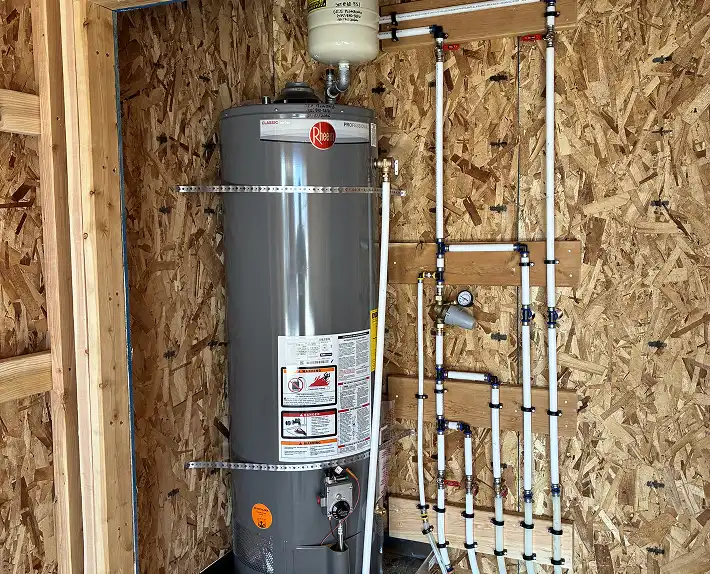
Next comes rough-in installation, when we install supply lines, drain and vent pipes, gas lines, and fixture backing inside the walls and floors, then pressure test the system. This stage often takes three to five days. The city then inspects the rough-in, and we resolve any issues so you can close up the walls with confidence, which usually takes about one to two days. Finally, we set fixtures, connect the water heater, start up the system, and review it with you during finish installation, which takes two to three days.
Timelines vary with home size and inspection schedules, and we will give you a realistic schedule when we write your estimate.
Call or Request an Estimate
Tell us what’s going on by phone or online. We’ll schedule a time that works for you.
01
Get an Upfront Price
A licensed plumber reviews your project and gives you a clear price before any work begins.
02
Done Right, Guaranteed
We finish the work to code, clean up after ourselves, and stand behind our work.
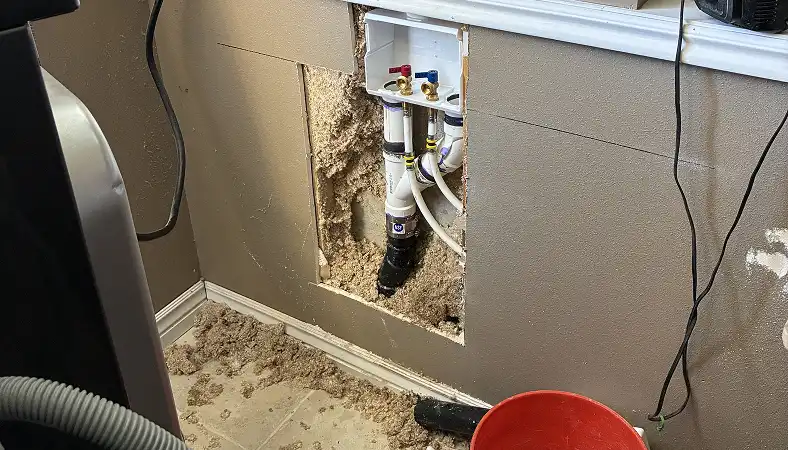
A home plumbing system has four main parts, and we install all of them. The water supply includes the main service line, the meter connection, hot and cold distribution lines, shutoff valves, and pressure regulators. The drainage and venting system includes the main sewer connection, drain pipes and fittings, the vent stack, floor drains, and cleanout access.
Gas lines include the service line, distribution piping, appliance connections, shutoff valves, and leak testing. Finally, we set the fixtures and appliances, such as the kitchen sink and disposal, bathroom fixtures, laundry connections, the water heater, and hose bibs.
Choosing Pipe Materials for Cache Valley
The right pipe depends on where it runs and what it carries. PEX is flexible, quick to install, and better able to handle freezing temperatures than rigid pipe, so it suits most residential applications. Copper is durable and heat resistant, which makes it a strong choice for hot water lines and high-end homes. For drains and vents, PVC and ABS are affordable, lightweight options that work well for all drainage applications. We explain the tradeoffs and recommend what fits your budget and your home.
Plumbing That Passes Inspection and Lasts
A well-planned system gives you steady water pressure, efficient hot water delivery, and easy access for future maintenance. It also helps your home meet current building codes and supports resale value. We pull permits, schedule inspections, and keep documentation so you have what you need at closing and for any future warranty questions.
Get a Project Estimate
Tell us about your build or renovation and we will provide a detailed estimate and timeline. Call (435) 890-3316 or request a free project quote online.
When should I bring a plumber into a new home build?
Bring a plumber in during the planning stage, before the foundation or slab is poured. Drain and vent locations under a slab cannot be moved cheaply later. Early planning also lets your plumber order materials and schedule rough-in before drywall goes up.
What is the difference between rough-in and finish plumbing?
Rough-in is the pipework installed inside walls, floors, and ceilings before they are closed up, including supply, drain, vent, and gas lines. Finish plumbing happens after drywall and flooring, when fixtures, faucets, and the water heater are set and tested. Each stage has its own inspection.
Which pipe material is best for a new home in Cache Valley?
PEX is the best fit for most new homes because it is flexible, affordable, and handles freezing temperatures better than rigid pipe. Copper is a good choice for hot water lines or high-end builds. We will recommend a mix that suits your budget and layout.
How long does plumbing take on a new house?
The hands-on work usually adds up to roughly six to ten working days across rough-in, inspection, and finish, spread over the course of the build. Planning and permitting add about one to two weeks up front. Your general contractor’s schedule and inspection availability set the real calendar.
Does O.R.E Plumbing handle permits and inspections?
Yes, we apply for plumbing permits, schedule the required inspections, and fix anything an inspector flags. Handling this ourselves keeps your build moving and removes one more item from your list. We also provide documentation when the project is complete.