
A leaking or burst pipe can cause thousands of dollars of damage in a matter of hours. O.R.E Plumbing provides pipe repair service that homeowners and businesses can reach at any hour, from a small pinhole leak to a full repipe. We use modern materials and proven methods, and we explain every option before we start.
When a pipe bursts, speed matters. Our emergency pipe repair service is available 24/7, and we respond with the goal of stopping water damage first and making a lasting repair second. While you wait for us, shut off the main water valve first. If you can reach the electrical panel safely, turn off power to any wet area, then open a few faucets on the lowest level to drain the lines. Move belongings away from the water, take photos for your insurance claim, and call (435) 890-3316.
Cache Valley’s winters are a leading cause of burst pipes. Freeze warnings often reach the valley early in the season, and pipes in crawl spaces, exterior walls, and unheated garages are most at risk. Pipes weakened by age, corrosion, or high water pressure break first.

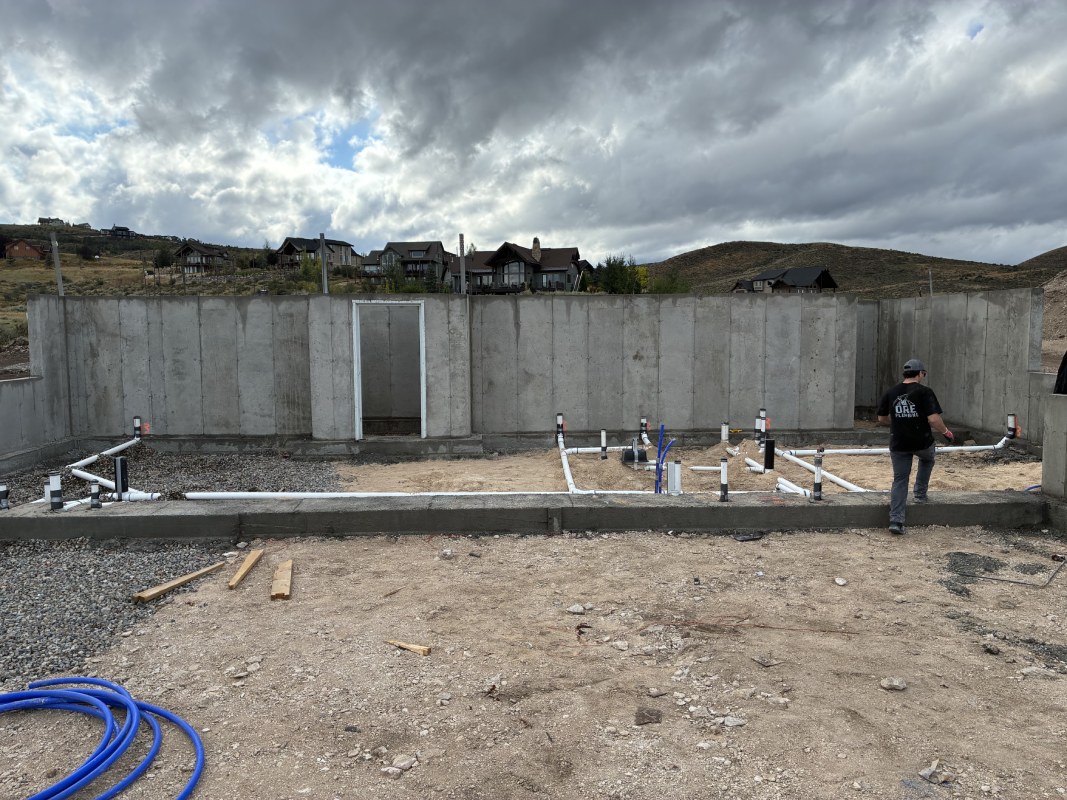
Not every leak is visible. Hidden leaks waste water, raise your bills, and feed mold. Our leak detection and repair service uses electronic leak detection and thermal imaging to find the exact source, so we can fix it with minimal excavation and limited disruption to your home.
Watch for water stains on walls or ceilings, mold growth or musty odors, and a water bill that climbs with no change in use. Wet spots in the yard or under floors and low water pressure that does not improve are also warning signs.
Sometimes the best fix is a new pipe. We handle replacement of old, damaged, or corroded piping and complete repiping with modern materials. Replacement can improve water pressure, water quality, and home value. Older galvanized pipes are a frequent source of low pressure and brown or rusty water, and replacing them often solves both problems.

PEX is flexible and freeze resistant, with a lifespan of 50 years or more, which makes it ideal for new construction and repiping. Copper is durable and heat resistant, lasting 50 to 70 years, and it is best for hot water lines and long-term investment. CPVC is affordable and good for hot water distribution, with a lifespan of about 25 to 40 years, and PVC is very affordable for cold water lines and drainage with a similar lifespan.

We begin with inspection and diagnosis, using camera inspection, leak detection equipment, and pressure testing to identify every pipe issue. You then receive a detailed estimate with material options, labor, permit fees, and warranty details. Licensed technicians complete the installation to code and keep the work area clean, and we finish by pressure testing, verifying flow, and cleaning up before we leave.
Call (435) 890-3316 any time for emergencies, or request an estimate for a planned repipe or replacement.

Shut off the main water valve immediately, then call a licensed plumber. Turn off electricity to wet areas only if you can safely reach the panel, move valuables out of the water, and take photos for your insurance claim. Open faucets on the lowest floor to help drain the line while you wait.
Look for an unexplained jump in your water bill, water stains, musty smells, mold, or damp spots in floors and the yard. You can also check your water meter with everything turned off, and if it keeps moving, you have a leak. A plumber can confirm the location with electronic detection and thermal imaging.
A single leak in otherwise healthy pipe is usually a repair. If you have repeated leaks, discolored water, or aging galvanized or corroded pipe, repiping is often the better long-term value. We inspect the system and give you honest options.
Copper lasts about 50 to 70 years and PEX about 50 years or more, so both are strong choices. CPVC and PVC typically last 25 to 40 years. The best material depends on whether the pipe carries hot or cold water and your budget.
Insulate pipes in crawl spaces, garages, and exterior walls, disconnect and drain outdoor hoses, and keep your home heated on the coldest nights. Letting a faucet drip slowly during a hard freeze keeps water moving. If a pipe freezes, shut off the water and call a plumber before it thaws and bursts.